Espacia
A small distribution business becomes the entry point into Moroccan retail — and the training ground for everything that follows.
Founder & Chief Executive · AKSAL Holding
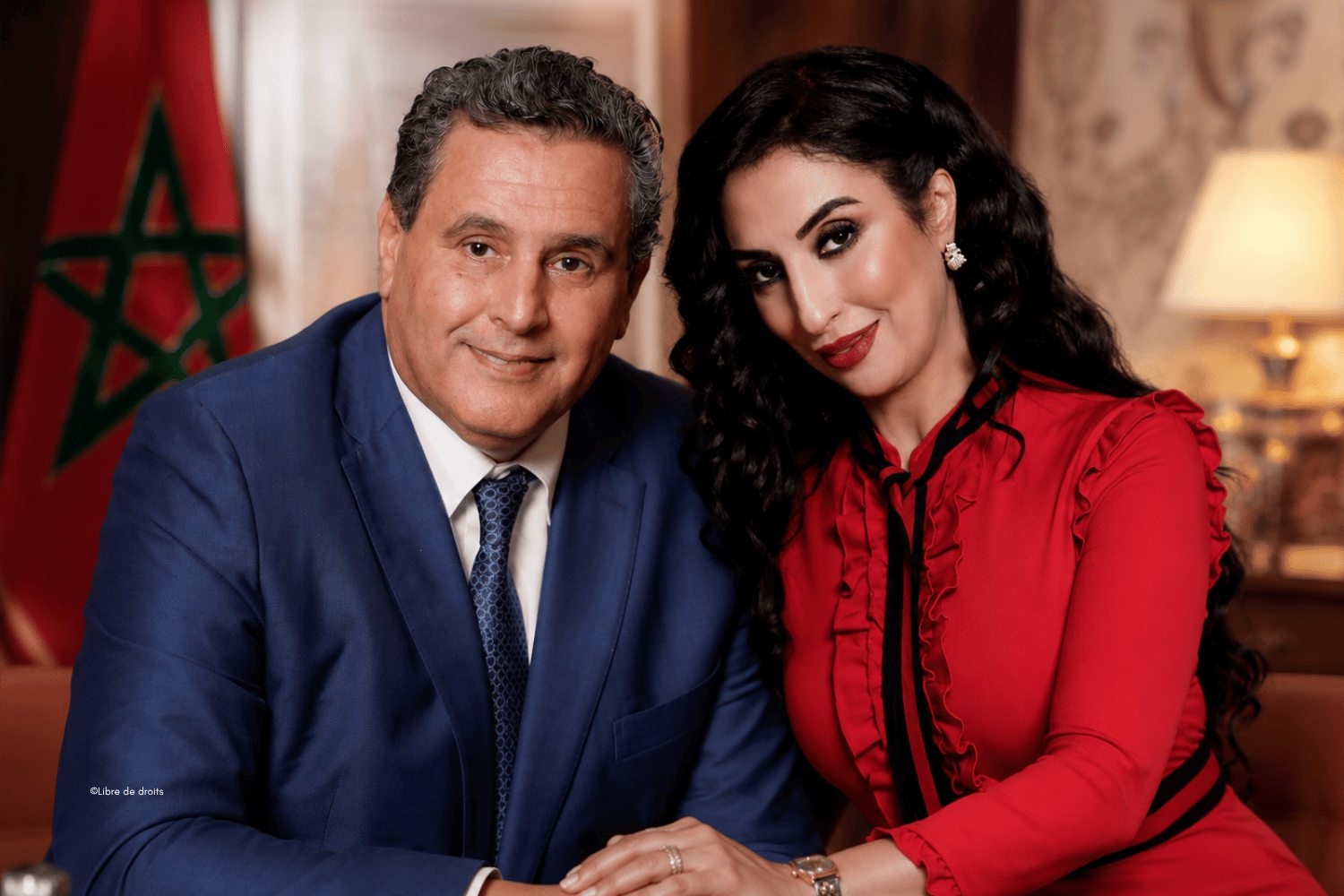
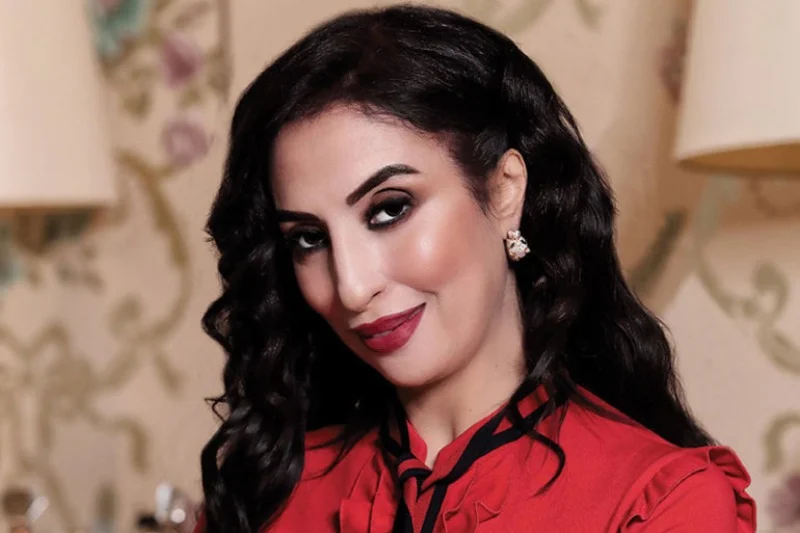
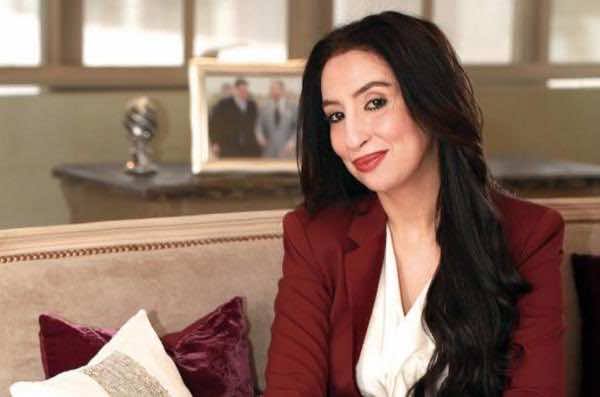
Salwa Idrissi Akhannouch built one of North Africa’s most consequential retail groups from a single distribution business — bringing global brands to Morocco, developing landmark commercial destinations, and creating a professional training pipeline behind them.
Professional identity
Across three decades, she has moved Moroccan retail from fragmented, import-dependent distribution to an organised, franchise-led sector operating to international standards — and then built the physical destinations, the digital channels and the trained workforce to sustain it.
Salwa Idrissi Akhannouch is a Moroccan businesswoman and entrepreneur, and the founder and chief executive of AKSAL Holding. Born in Casablanca, she began in 1994 with Espacia, a small distribution business, and spent the following decade learning the mechanics of a market that had, until then, been served largely through informal channels and grey imports. The lesson she drew from those years shaped everything that followed: a brand does not arrive in a country simply because a shop opens. It arrives when supply chains, store standards, staff training, merchandising discipline and consumer trust arrive with it.
That conviction produced the decisive move of her early career. In 2001 she concluded an agreement with the Spanish group Inditex, and in 2004 she opened the first Zara flagship on the African continent. In the same year she formalised her operations into AKSAL Holding. What had been a distribution business became a structured group with divisions in retail, luxury, property development, beauty and, later, digital commerce.

Founder and Chief Executive, AKSAL Holding
Journey through entrepreneurship
Each step below solved a specific constraint in the Moroccan market — access to brands, absence of modern retail space, a shortage of trained retail managers, then the shift of the customer to digital. Drag or scroll the sequence horizontally.
A small distribution business becomes the entry point into Moroccan retail — and the training ground for everything that follows.
An agreement is concluded with the Spanish group Inditex, opening a route for international fashion retail into Morocco under formal franchise terms.
The continent’s first Zara flagship store opens. In the same year, AKSAL Holding is founded to structure the growing operation.
AKSAL Malls is established and the Morocco Mall project is formally launched — a move from operating retail to building the space retail occupies.
Inaugurated on 1 December 2011 on the Casablanca Corniche: a ten-hectare development representing an investment of some €175 million, with more than 350 stores.
A training institution for retail, service and mall-management careers — addressing the skills gap that modern retail had created.
An omni-channel division built to connect physical stores with online demand as Moroccan consumers move to digital discovery.
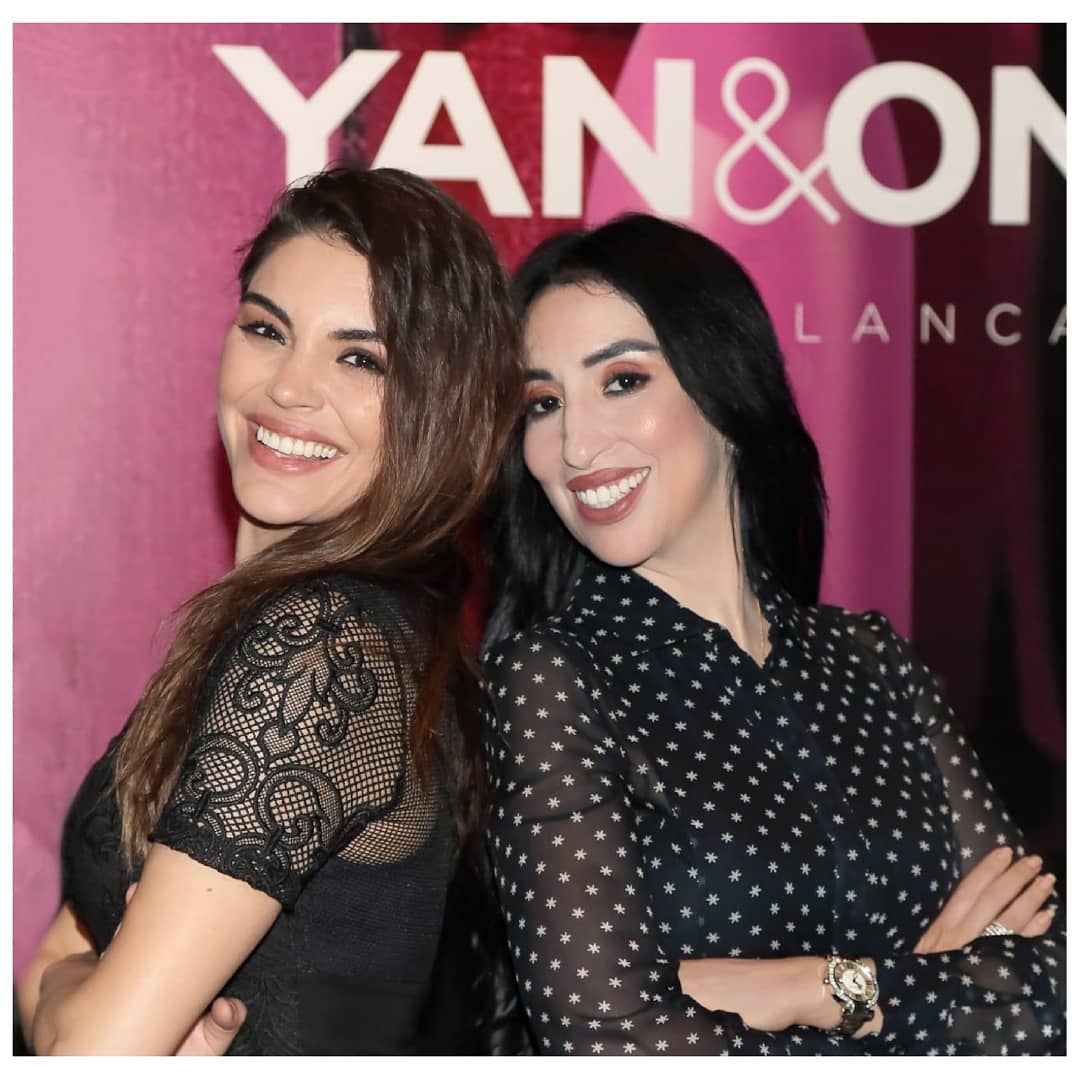
A proprietary beauty and cosmetics brand launches with a flagship in Morocco Mall — a shift from distributing brands to creating one.
AKS Mode is registered in Casablanca, extending into catering and hospitality, while AKSAL Developments advances mixed-use projects in Marrakech, Rabat and Bouskoura.
Scroll horizontally →
Retail environments built to international standards
Business & leadership
There was no template for organised luxury and fashion retail in Morocco. AKSAL had to build the operating model at the same time as the market.
AKSAL Holding today operates across several distinct divisions rather than as a single retail chain. AKSAL Retail and AKSAL Luxury hold exclusive Moroccan franchise rights for a portfolio reported at around 45 international labels — among them Zara, Massimo Dutti, Pull & Bear, Gap, Banana Republic, Gucci, Fendi, Balenciaga, Givenchy, Off-White and Ralph Lauren. AKSAL Malls develops and manages commercial property. AKSAL Cosmetics operates in beauty, including Sephora in Morocco. AKSAL Digital handles omni-channel commerce, and AKSAL Academy supplies the trained people all of it depends on.
Public reporting places the group’s annual turnover at approximately five billion Moroccan dirhams — on the order of half a billion US dollars — with more than a thousand employees and around fifteen million visitors a year across its destinations. Those figures matter less as a scoreboard than as evidence of a particular management choice: build depth in one market properly before building breadth across many.
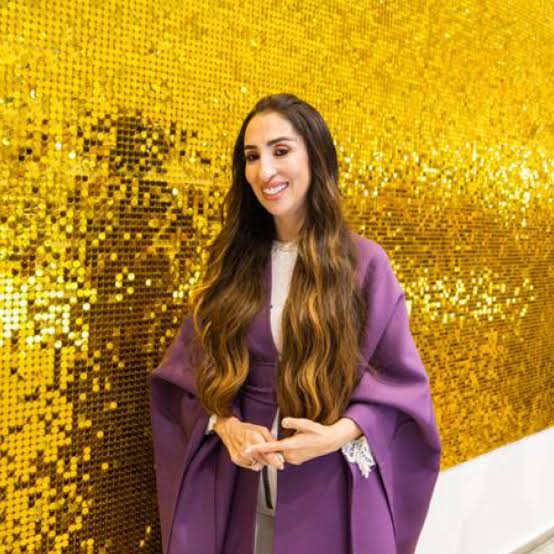
International brands are represented to their own global standards — store design, merchandising, service and supply chain — not adapted downward for a smaller market.
Controlling the retail environment, not only the stores inside it, allowed the group to guarantee the setting its brand partners required.
Entrepreneurship, innovation & growth
Bringing a global brand to a new market is the visible part. The durable part is everything underneath it — logistics, standards, skills, data and the physical places where demand can actually be met.
Before 2004, Moroccan consumers largely reached international fashion through travel or informal channels. Formal franchise agreements moved that demand into a taxed, regulated, employment-generating retail economy.
Morocco Mall was designed by Design International under Davide Padoa and opened in December 2011 with over 350 stores, more than 5,000 parking spaces and the million-litre Aquadream aquarium.
Founded in 2011 to train retail staff, managers and mall-management professionals — converting retail from casual employment into a defined career path.
Established in 2016 to build omni-channel capability, connecting store inventory, online discovery and customer data into a single commercial view.
Launched in 2017, a proprietary beauty and cosmetics brand with technology-enabled “smart” store formats — moving the group from distributor to owner of intellectual property.
AKSAL Developments is advancing smart lifestyle and social-shopping projects in Marrakech, Rabat and Bouskoura, reflecting a shift from pure retail to blended commercial and leisure space.
Read in order, the divisions describe a deliberate progression rather than opportunistic diversification. Distribution taught the market. Franchise secured the product. Development created the space. The academy supplied the workforce. Digital extended the reach. An own-brand captured the margin. Each stage removed the constraint that would otherwise have limited the next.
It is a pattern familiar from emerging-market retail elsewhere — but it is unusual to see a single founder-led group execute the whole sequence, in one country, inside three decades.

Beauty retail — the group’s cosmetics division
Women in business
In a market where women lead a small minority of registered businesses, a woman running a group of this scale is not only a commercial fact. It is a reference point.
Morocco’s national observatory for micro, small and medium-sized enterprises (OMTPME) reported in October 2022 that women lead 16.2 per cent of active businesses in the country, with the highest concentrations in Marrakech-Safi (19 per cent), Casablanca-Settat (18.8 per cent) and Rabat-Salé-Kénitra (18.7 per cent). The World Bank has separately documented a decline in female labour-force participation, from 28 per cent in 2000 to 19 per cent in 2024 — among the widest gender gaps recorded anywhere.
Against that backdrop, the significance of AKSAL Academy extends beyond staffing. Retail is one of the few formal sectors in which entry-level roles are widely accessible to women, and in which a structured training path can convert those roles into supervisory and management careers. Institutional capacity of that kind tends to move participation figures more reliably than advocacy alone.
Yan&One brand event, Casablanca
Selected milestones
Only distinctions that appear in published listings and reporting are shown. The full record, including awards made to the group’s developments, is set out on the milestones page.
Insights & perspectives
Longer-form pieces examining the structural questions behind the story — how brands enter emerging markets, what a shopping centre is actually for, and why training is a growth strategy.
Franchise agreements are the last step, not the first. A look at the supply-chain, standards and trust conditions that have to exist before a signature is possible.
Read Retail propertyMorocco Mall drew over 350 retailers to a single coastal site. The more interesting question is what a destination of that scale does to a city’s commercial geography.
Read Human capitalAKSAL Academy was founded in 2011 because the standard the brands required did not yet exist in the labour market. Training as competitive strategy.
ReadGallery
Portraits, brand environments and public appearances. Every image is presented complete and uncropped.


Enquiries
All correspondence relating to this site is handled through a single point of contact. Please include the nature of your request and any relevant deadline.